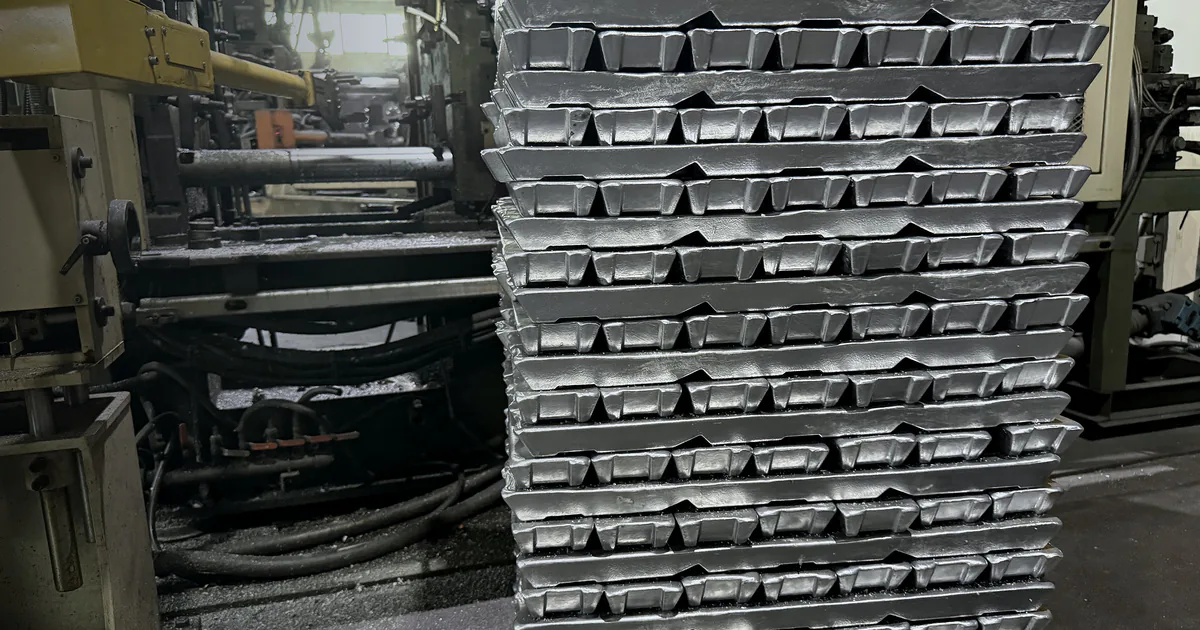
Input evidence
Specified alloy
Confirm the governing grade, supplier evidence, chemistry, and project requirements—the photograph alone does not establish an alloy designation.
Dongguan, China

Material & process selection
Compare material families through the application, geometry, production route, finish, quality plan, and supply context.
Material is not a standalone choice
The same alloy family can behave differently as geometry, tooling, thermal history, machining, finish, and inspection change. Exact alloy availability and properties are confirmed against the governing specification for the project.
Company-provided photographs show real material and process context. A visible metal, part, or process does not by itself certify alloy grade, chemistry, performance, or project approval.
Input evidence
Confirm the governing grade, supplier evidence, chemistry, and project requirements—the photograph alone does not establish an alloy designation.
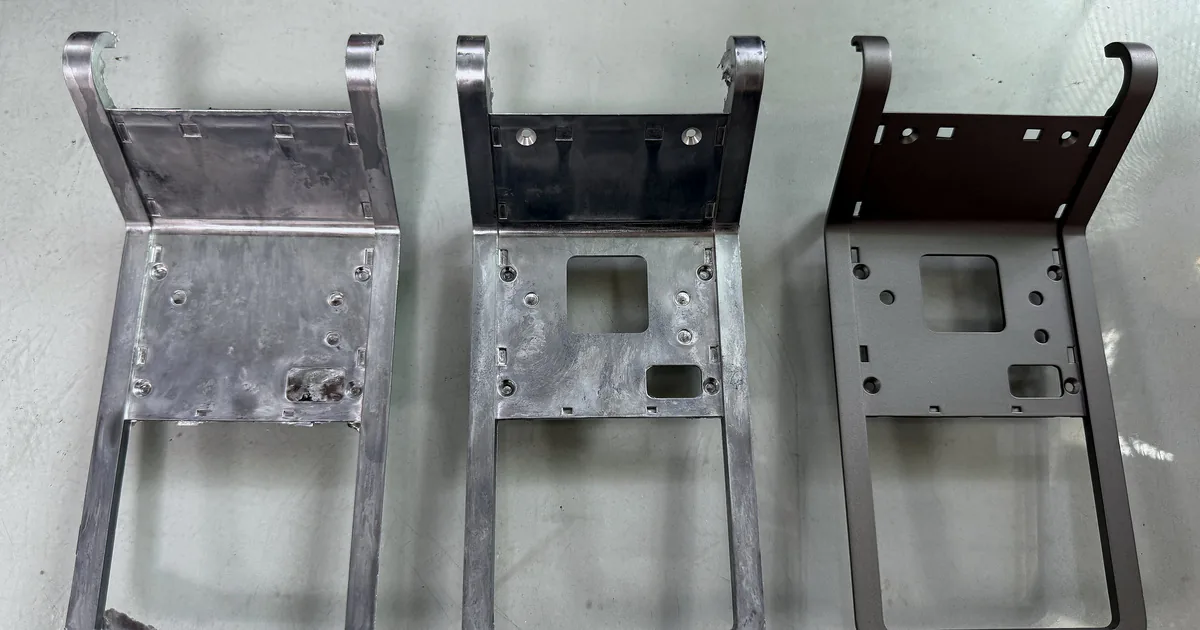
Route response
Review how casting, machining stock, feature creation, finishing, and handling change the component through the route.

Verification plan
Define material records, dimensional methods, tests, sampling, and release evidence against the actual drawing and application risk.
Discussion guide
These rows frame the technical conversation. They are not a substitute for alloy standards, verified test data, or a project quotation.
| Material family | Why it may be considered | What needs review |
|---|---|---|
| Aluminum alloy families | Low mass, thermal behavior, corrosion performance and structural design options | Alloy specification, wall section, heat-treatment need, finish and porosity limits |
| Zinc alloy families | Flow, feature detail, surface appearance and compact-geometry opportunities | Part mass, wall section, finish, dimensional needs and long-term environment |
| Magnesium alloy families | Weight-reduction and structural-design opportunities | Alloy availability, corrosion protection, handling, geometry and application risk |
| Alternative material routes | Application-specific performance, supply, volume or compliance requirements | Process suitability, sourcing and validation must be confirmed per project |
Selection framework
Material choice becomes useful when it can be traced to functional, geometric, production, environmental, evidence, and commercial requirements.
A promising property can be outweighed by tooling, finishing, inspection, sourcing, or validation constraints elsewhere in the route.
Selection inputs
Load, stiffness, impact, service temperature, conductivity, sealing and intended life.
Wall section, ribs, bosses, draft, parting line, machining stock and joining interfaces.
Launch and annual volume, tooling strategy, supply constraints and timing priorities.
Corrosion exposure, cosmetics, coating, masking, cleaning and handling.
Specifications, test methods, traceability, declarations and inspection records.
Tooling investment, operation count, scrap risk and total route—not only material price.
Start with the drawing
Share the drawing, operating environment, performance priorities, finish, volume, and timing. Final material and process recommendations will be documented for the project.