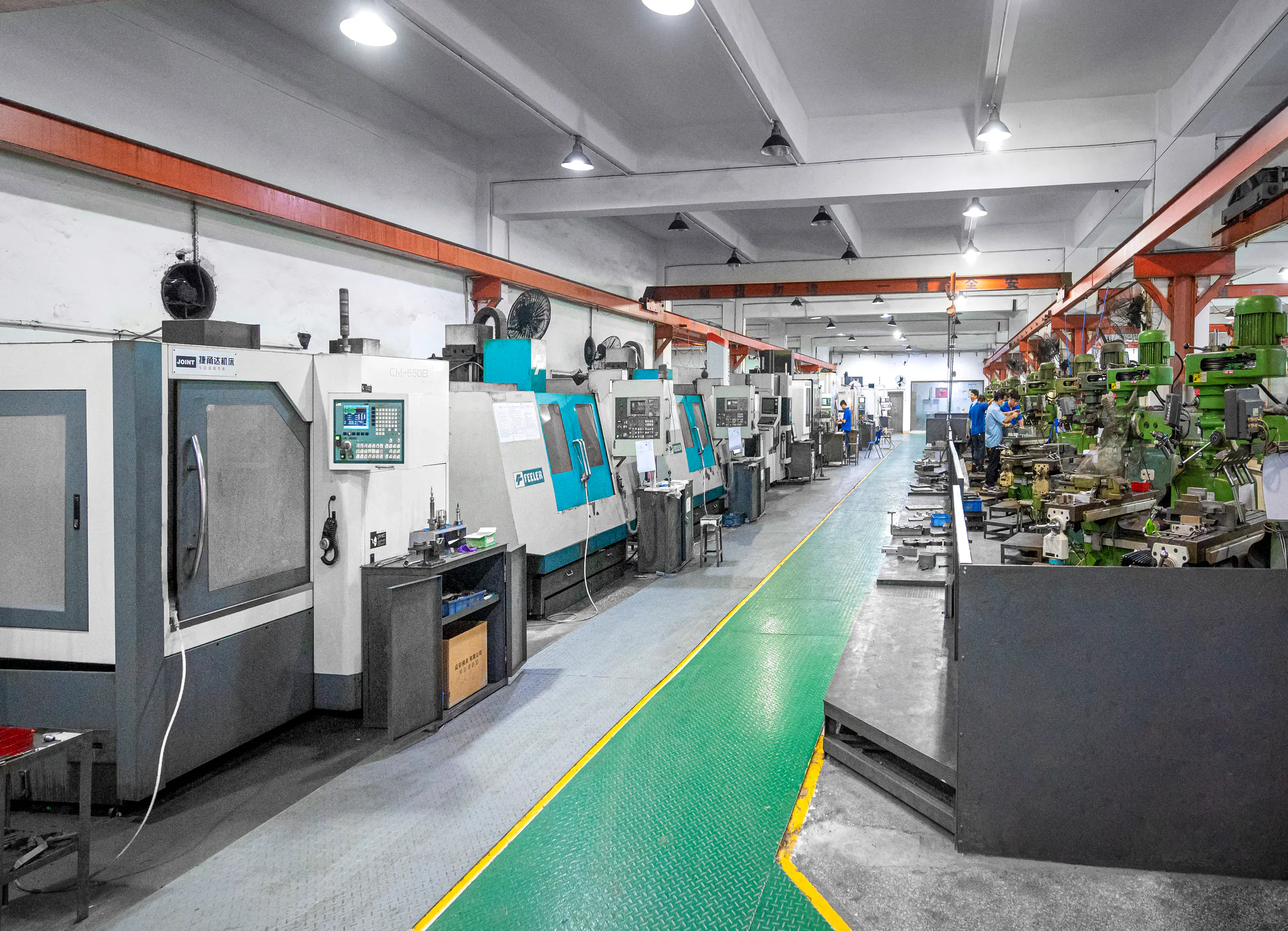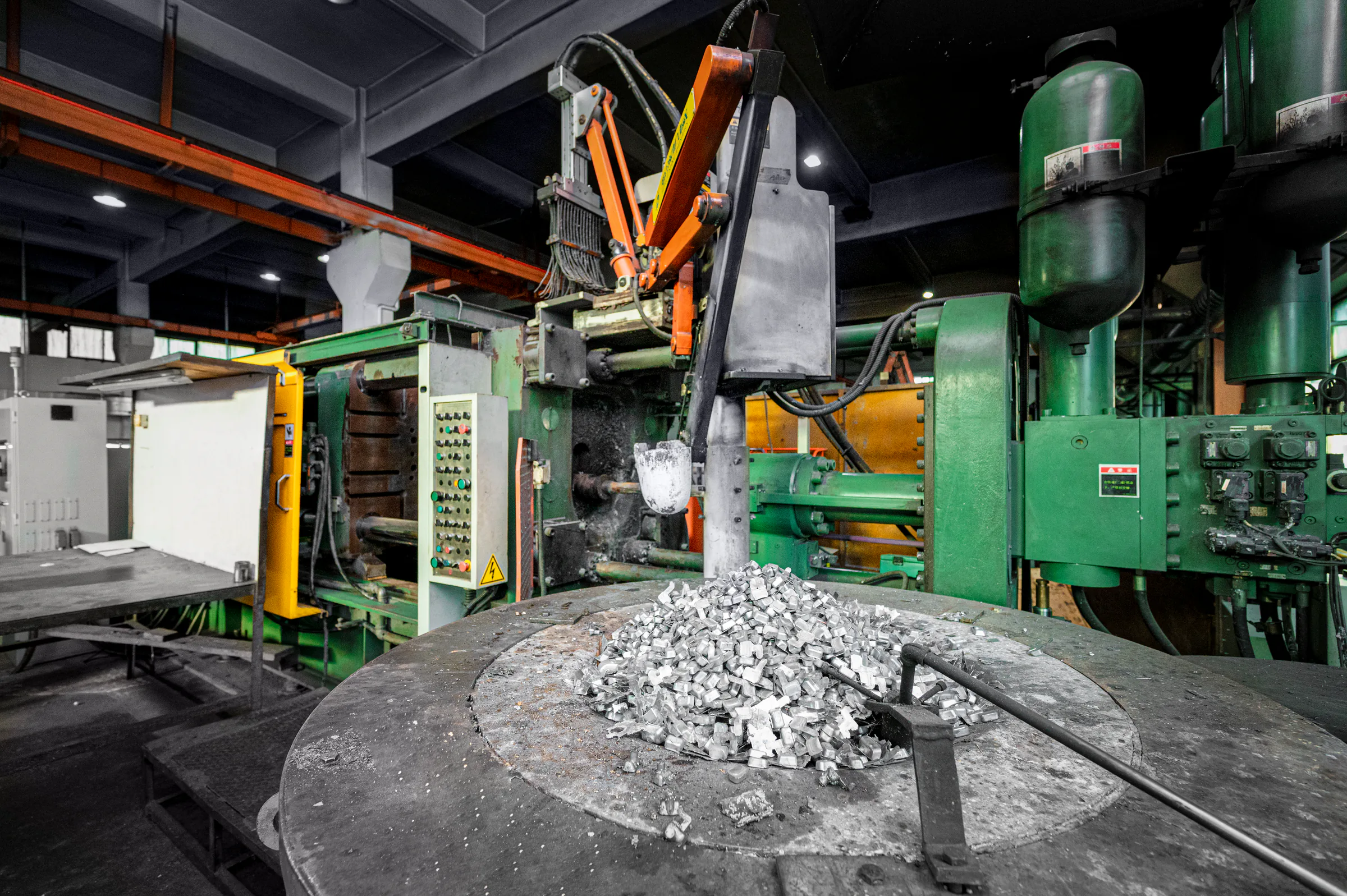
Form the geometry
Die casting review
Evaluate alloy, part geometry, tooling strategy, flow risks, trimming, and downstream needs together.
Review scopeDongguan, China

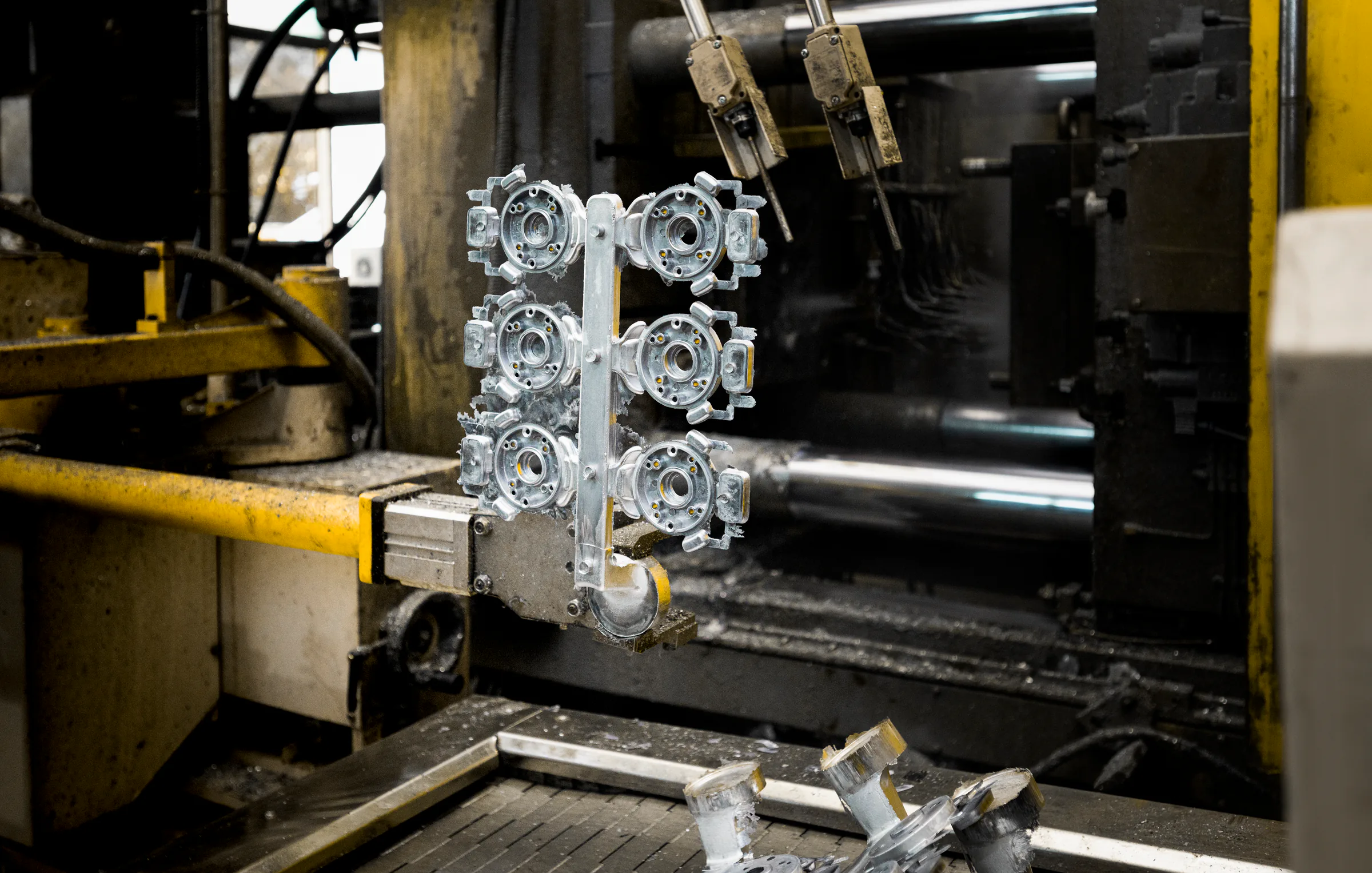
Die casting · machining · finishing
Turn a drawing and application context into a connected manufacturing route—with the assumptions, risks, and quality requirements visible before quotation.
Drawing-led
Scope begins with the actual part requirements
Route-aware
Casting and downstream operations reviewed together
Project-specific
Capability and evidence confirmed in writing
One connected decision
Geometry, alloy, tooling, secondary machining, finish, inspection, and application risk shape one another. We structure the review so those interfaces are visible before a production promise is made.
How we approach a projectForm the geometry
Evaluate alloy, part geometry, tooling strategy, flow risks, trimming, and downstream needs together.
Review scope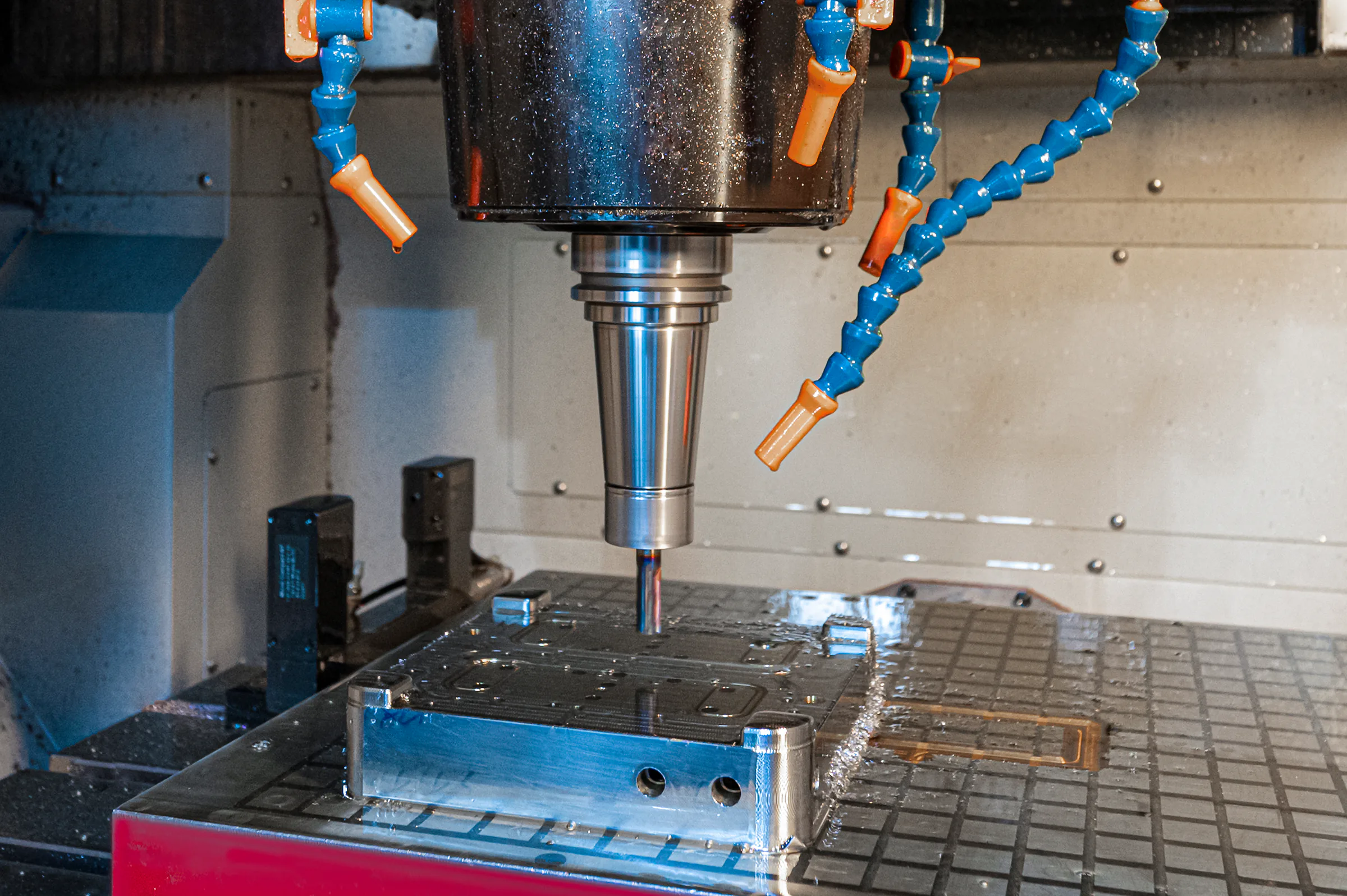
Control critical features
Plan datums, fixturing, critical dimensions, interfaces, and measurement around the drawing.
Review scope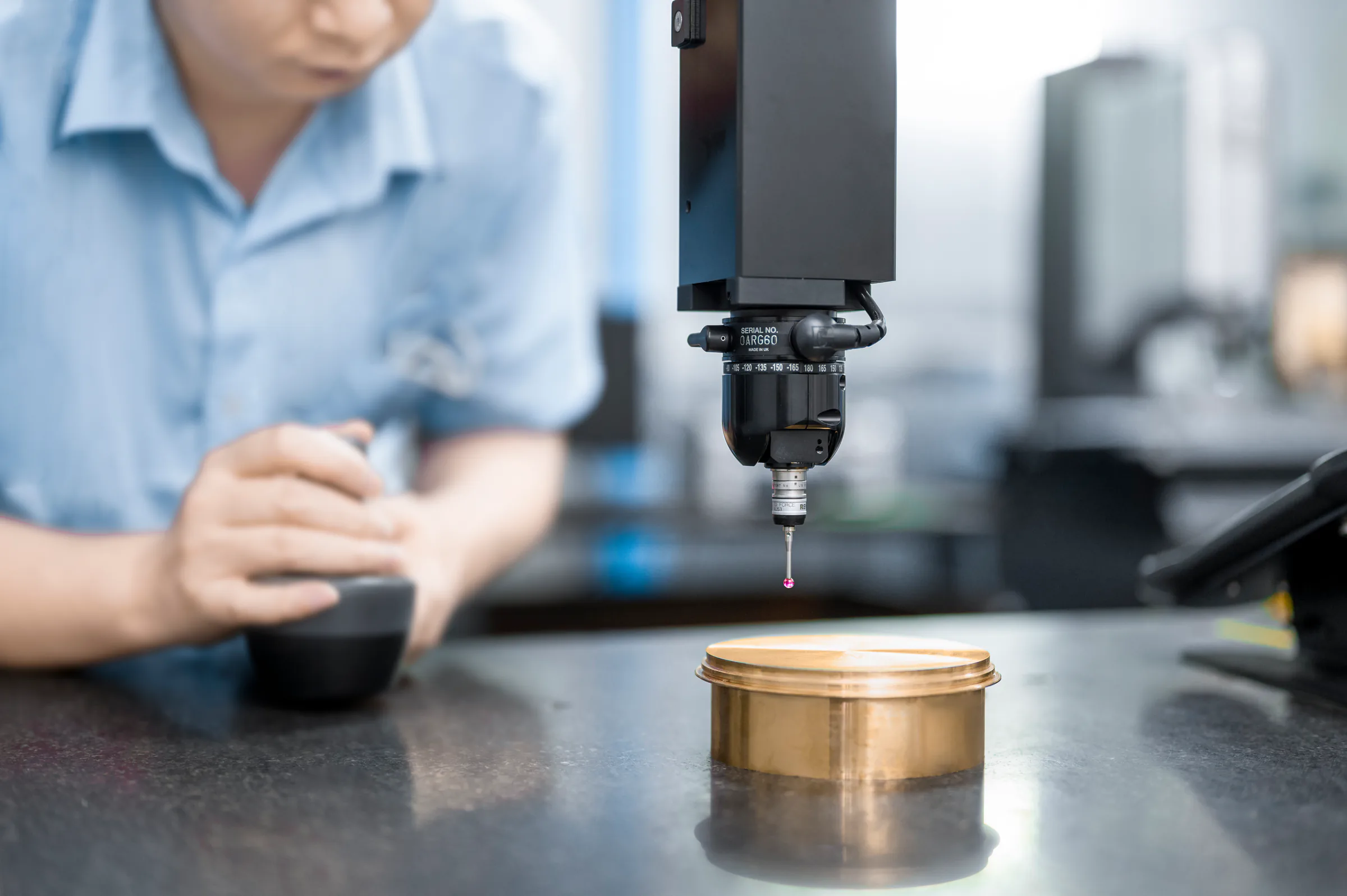
Define the evidence
Align critical features, test methods, records, first-article expectations, and production reporting.
Review scopeThe process rail
The sequence is designed to surface decisions—not to imply that a generic process fits every component. Final capability, timing, and documentation remain project-specific.
Bring the drawing, application, volume, target timing, and quality expectations into one technical brief.
Evaluate casting, machining, finishing, assembly, and inspection as one manufacturing route.
Identify open assumptions, critical features, evidence needs, and validation questions before commitment.
Document the selected route, project boundaries, quality scope, milestones, and commercial basis in the quotation.
Material is a route decision
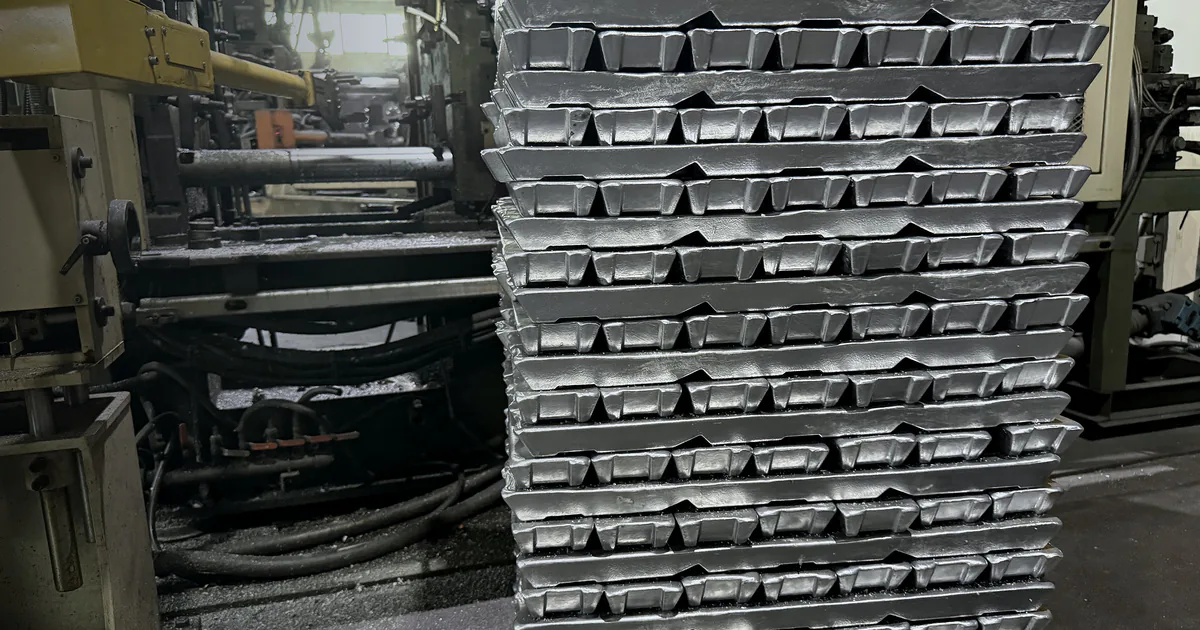
Weight, strength, thermal behavior, corrosion exposure, finish, geometry, volume, and supply context all influence material and process choice. A generic property table cannot make that decision alone.
Application context
Thermal load, sealing, cosmetics, traceability, cleanability, validation, and volume shift with the application. Company-provided process photographs show real manufacturing context; the cards are not customer case studies or proof of sector approval.
Quality planning
A quotation should make the inspection scope and required records visible. Critical dimensions, sampling, first-article expectations, material evidence, and application-specific documentation are reviewed against the project—not assumed from a generic badge.
Start with the drawing
Share the part requirements, application context, volume, timing, and quality expectations. The first response will focus on the technical questions needed to scope the route.