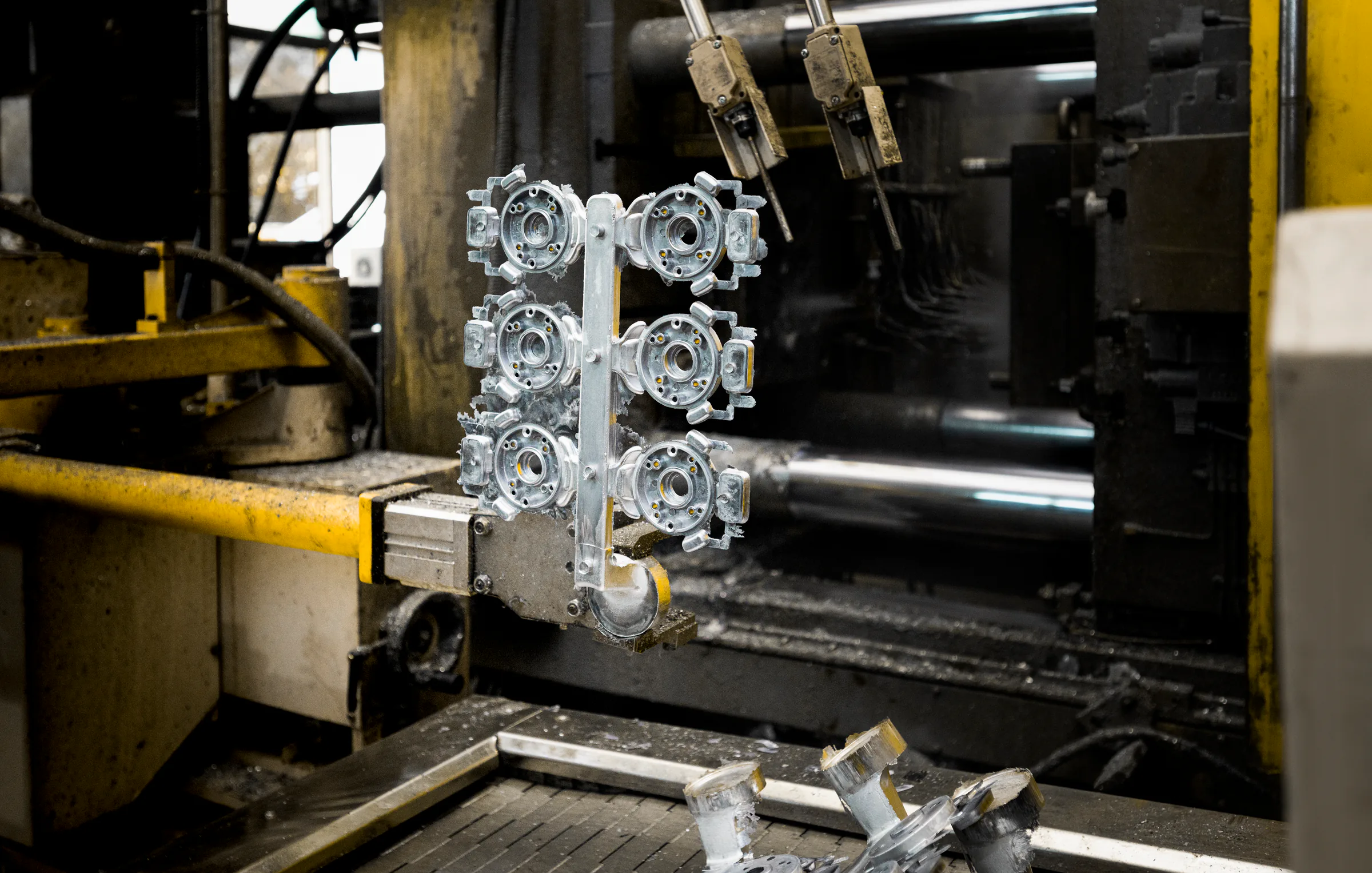
Validation · traceability · scale
Automotive & mobility
Weight, structural load, thermal exposure, sealing, traceability, validation and volume requirements.
Dongguan, China

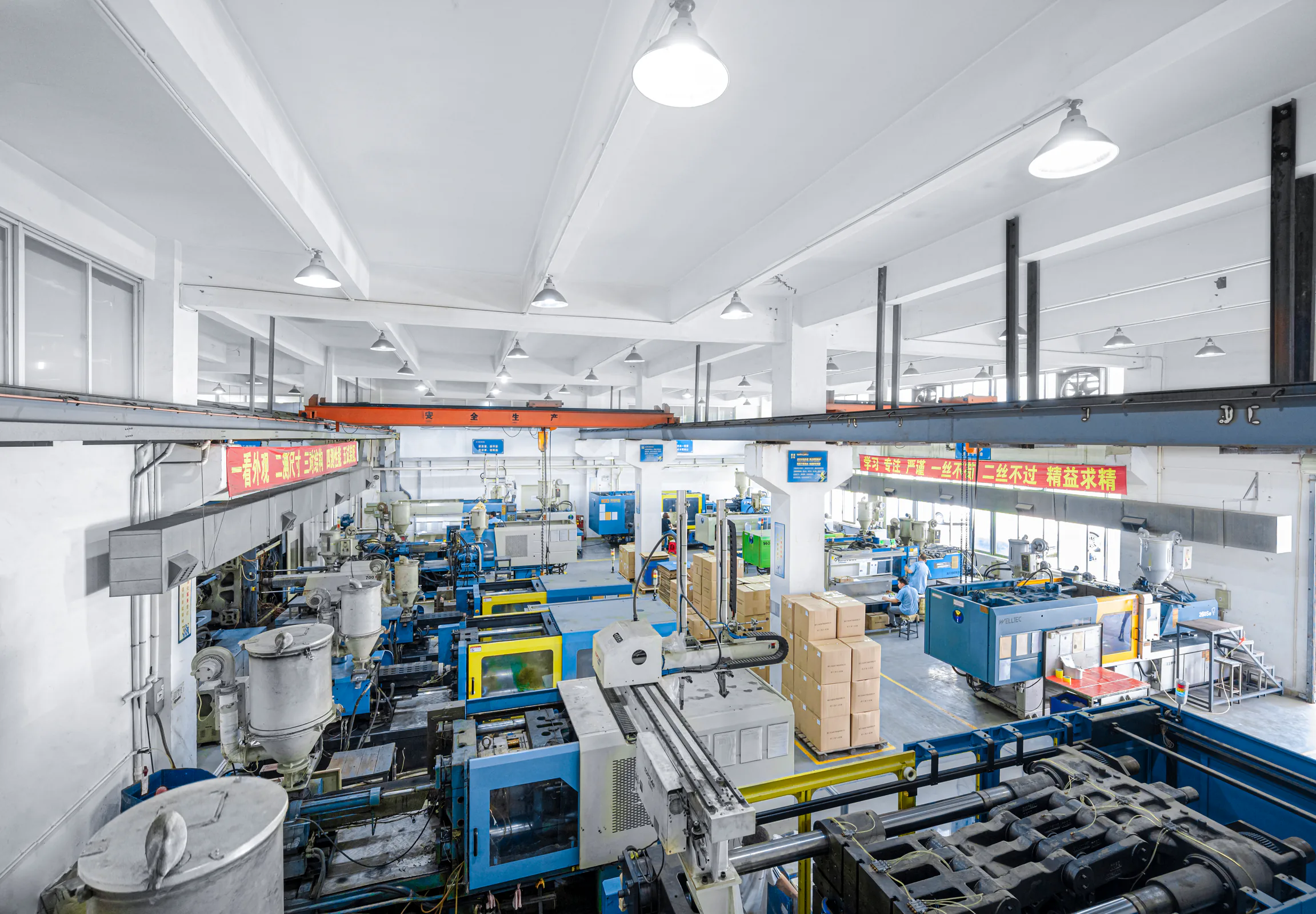
Application-led manufacturing review
Thermal load, sealing, cosmetics, cleanability, traceability, validation, and production volume shift with the application. Those requirements belong in the RFQ before a route is confirmed.
Application context
An industry name is only a starting point. The manufacturing route must reflect the specific part, operating environment, failure modes, evidence, supplier controls, and launch plan.
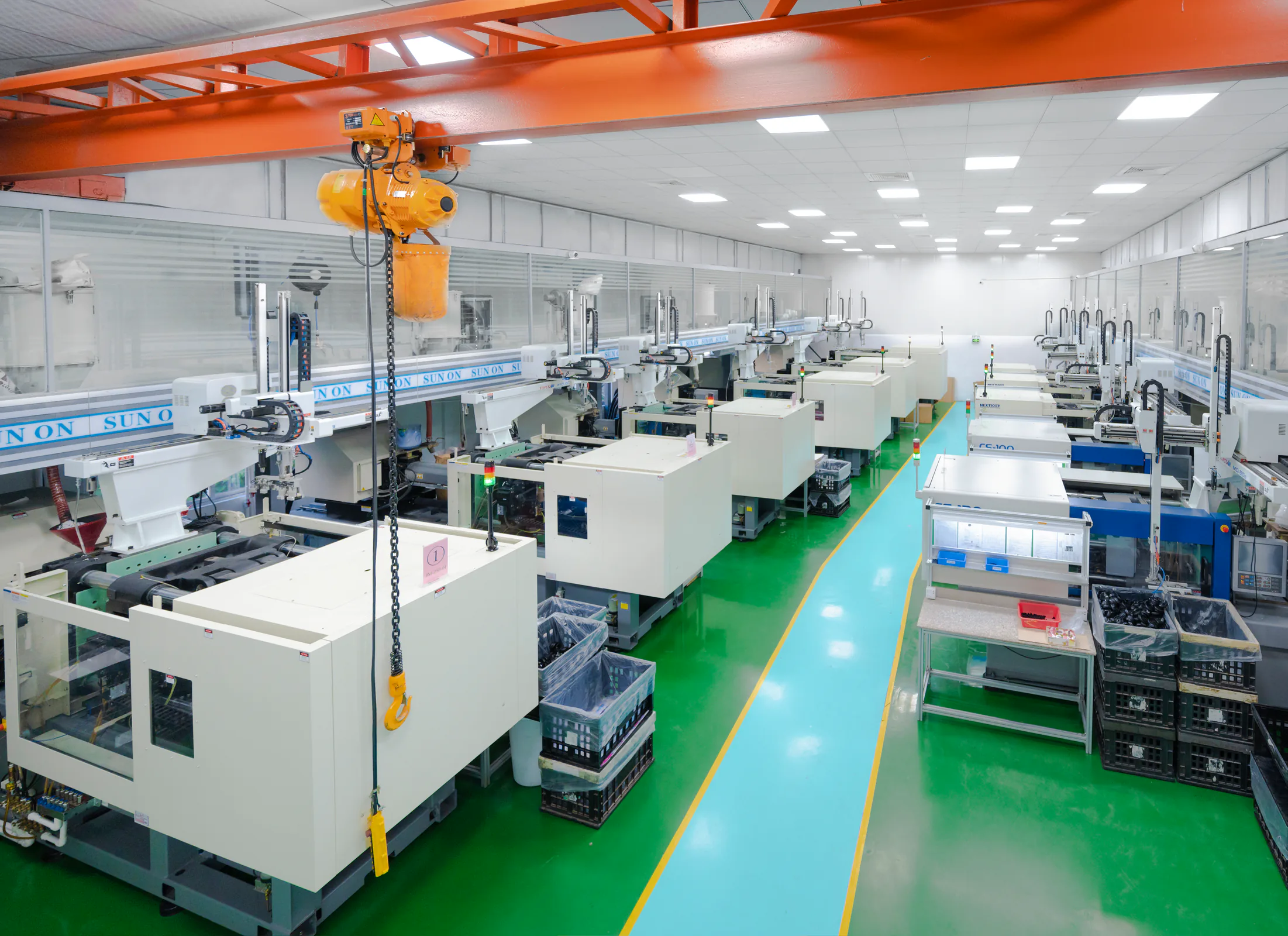
The photographs below are company-provided manufacturing and quality contexts. They are not customer case studies or proof of sector certification, program approval, or a quoted scope.
Validation · traceability · scale
Weight, structural load, thermal exposure, sealing, traceability, validation and volume requirements.
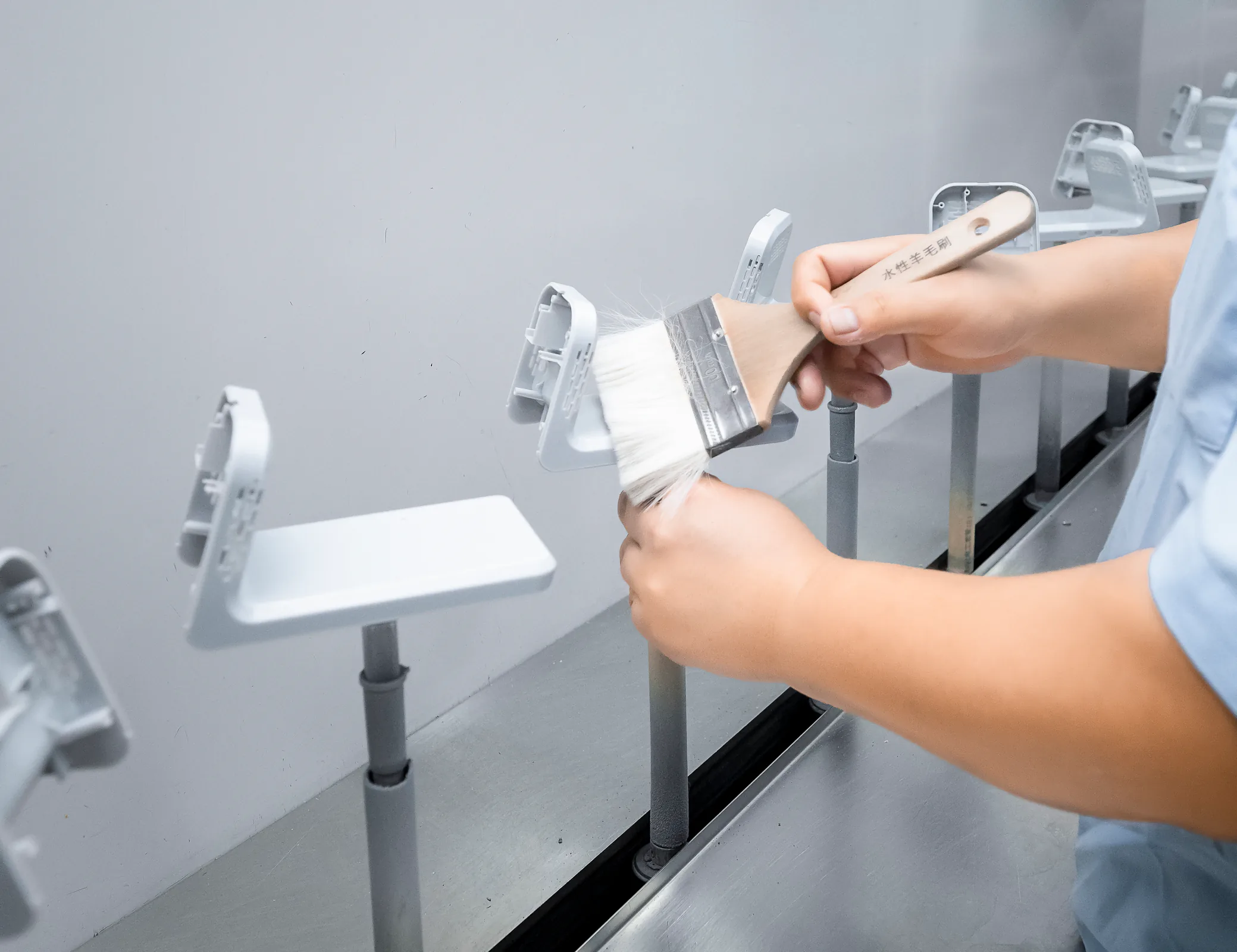
Thermal · shielding · interfaces
Thermal paths, shielding, grounding, connectors, sealing, surface interfaces and dimensions.
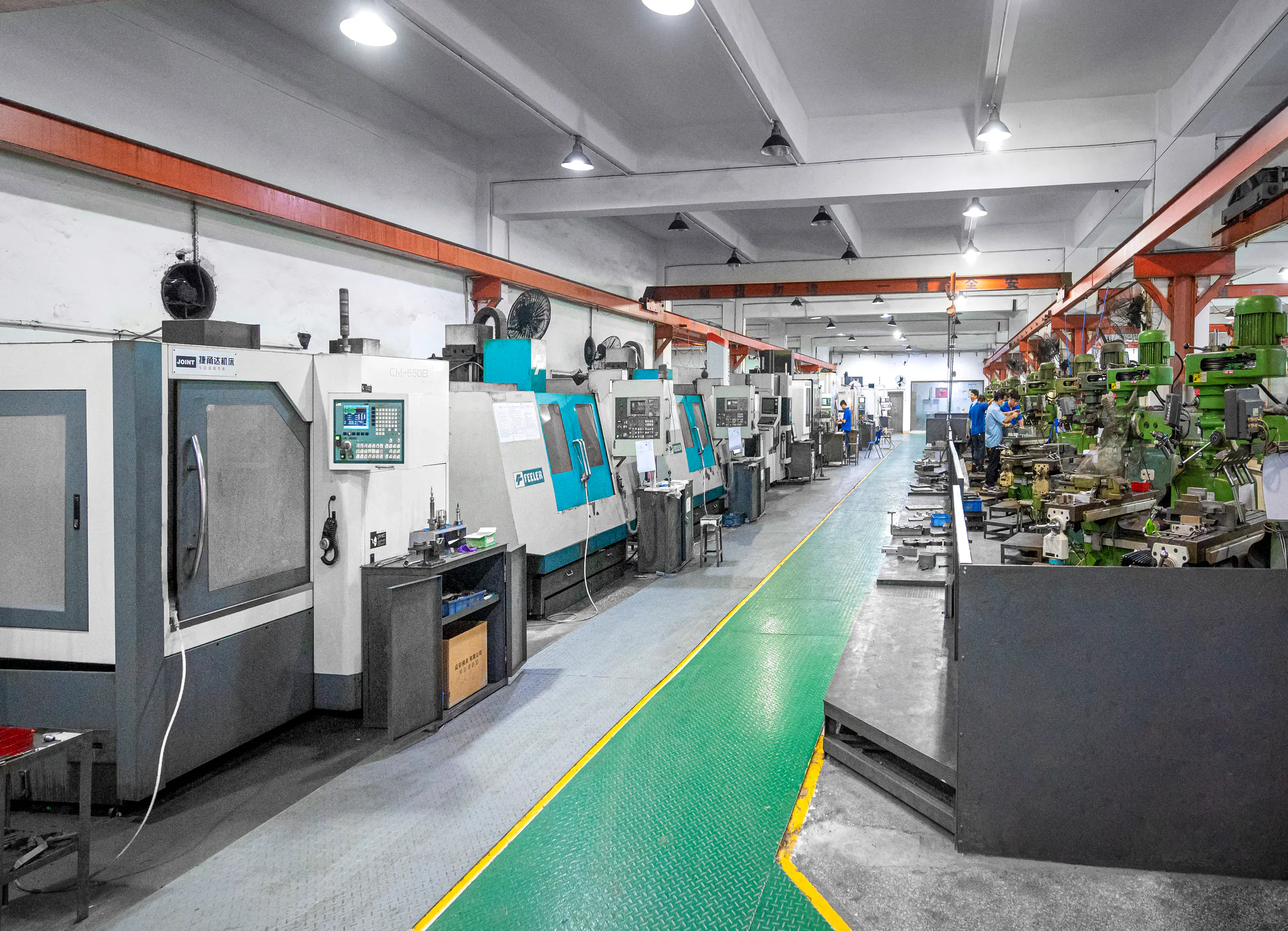
Load · datums · durability
Load, wear, datum strategy, alignment, mounting, environment, lubrication and inspection.
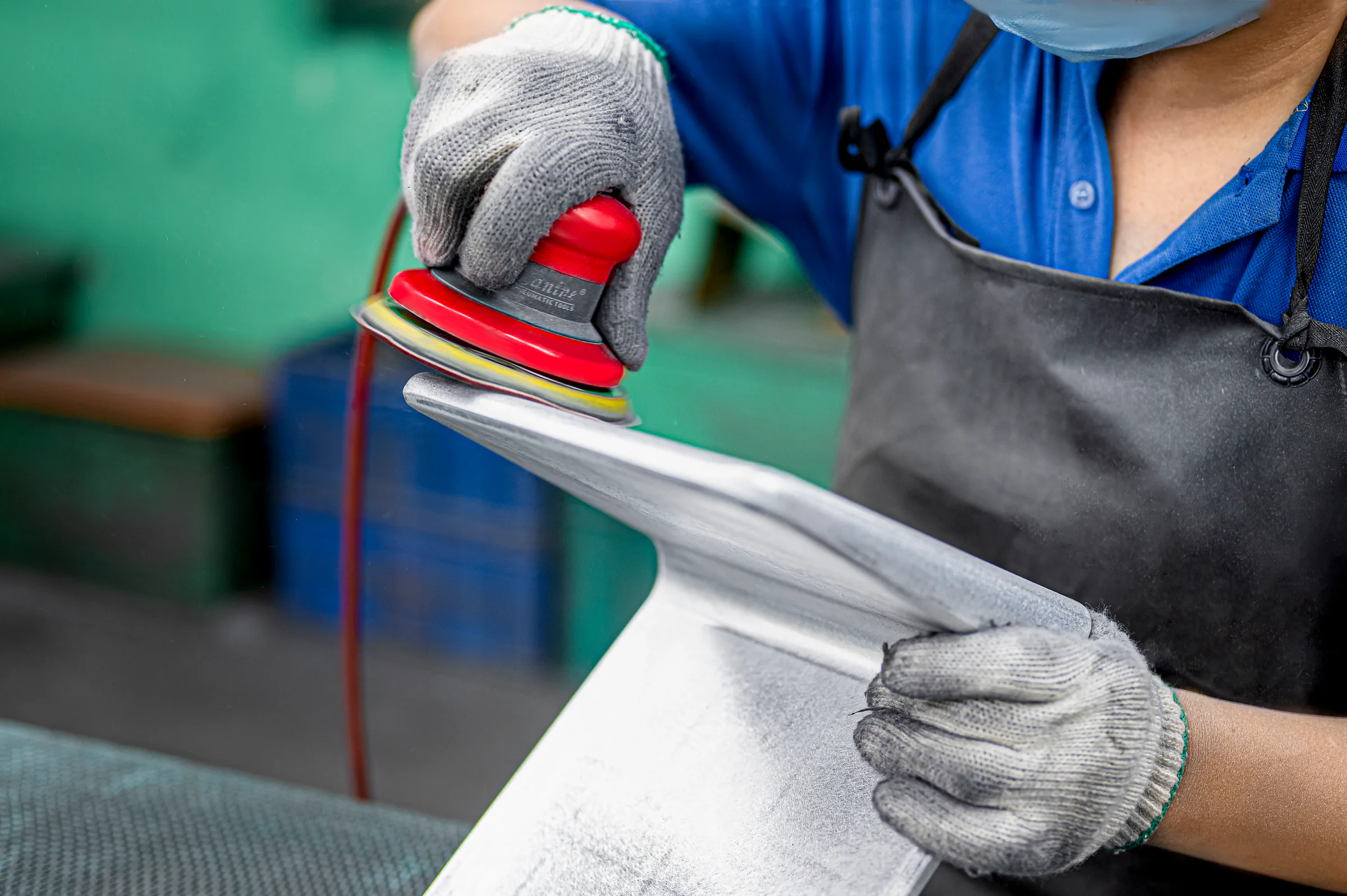
Impact · assembly · duty cycle
Impact, vibration, grip, enclosure, assembly, finish and duty-cycle expectations across the route.
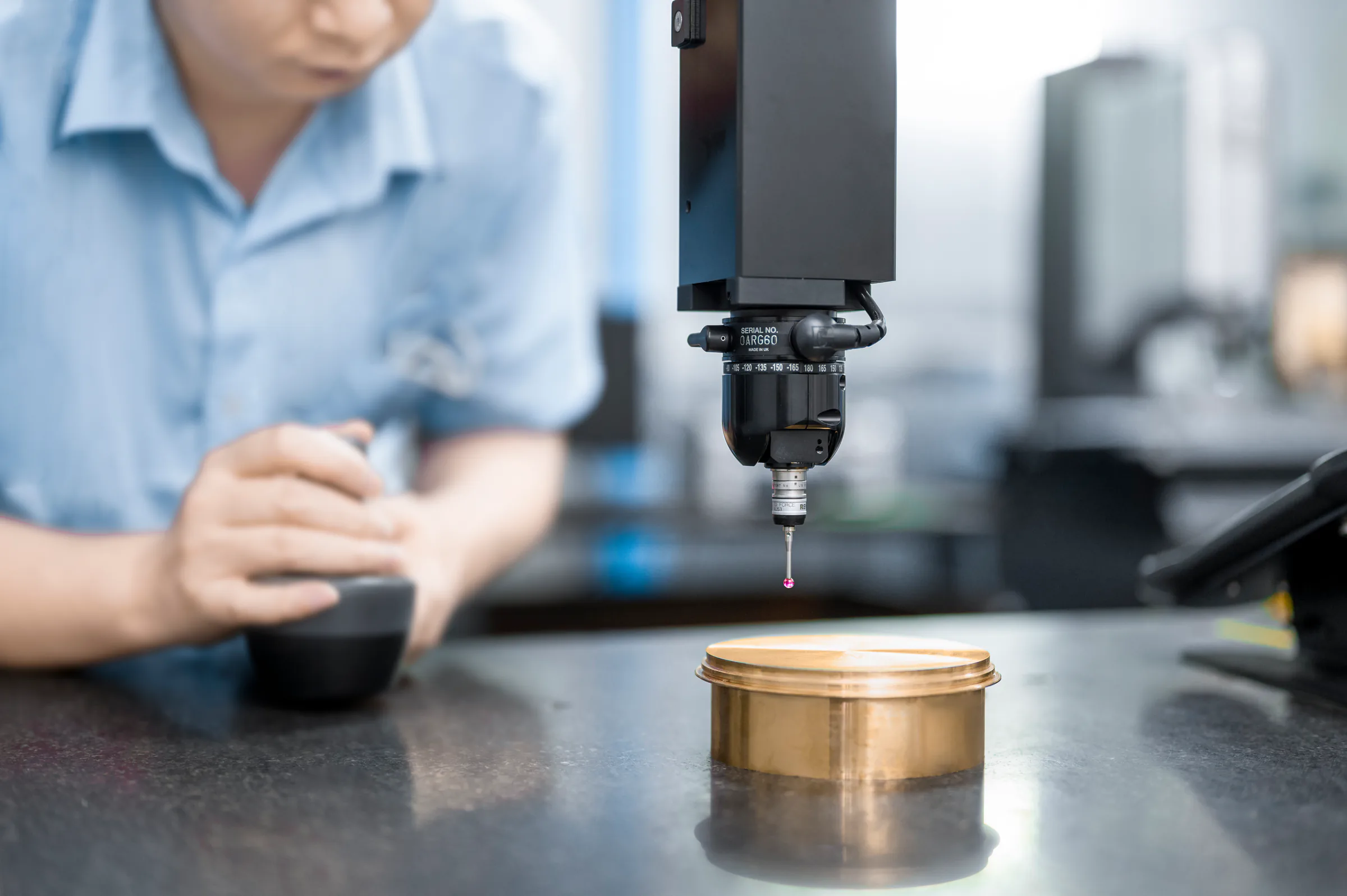
Cleanability · evidence · control
Material, cleaning, surface, dimensional, documentation and supplier-control requirements need early review.
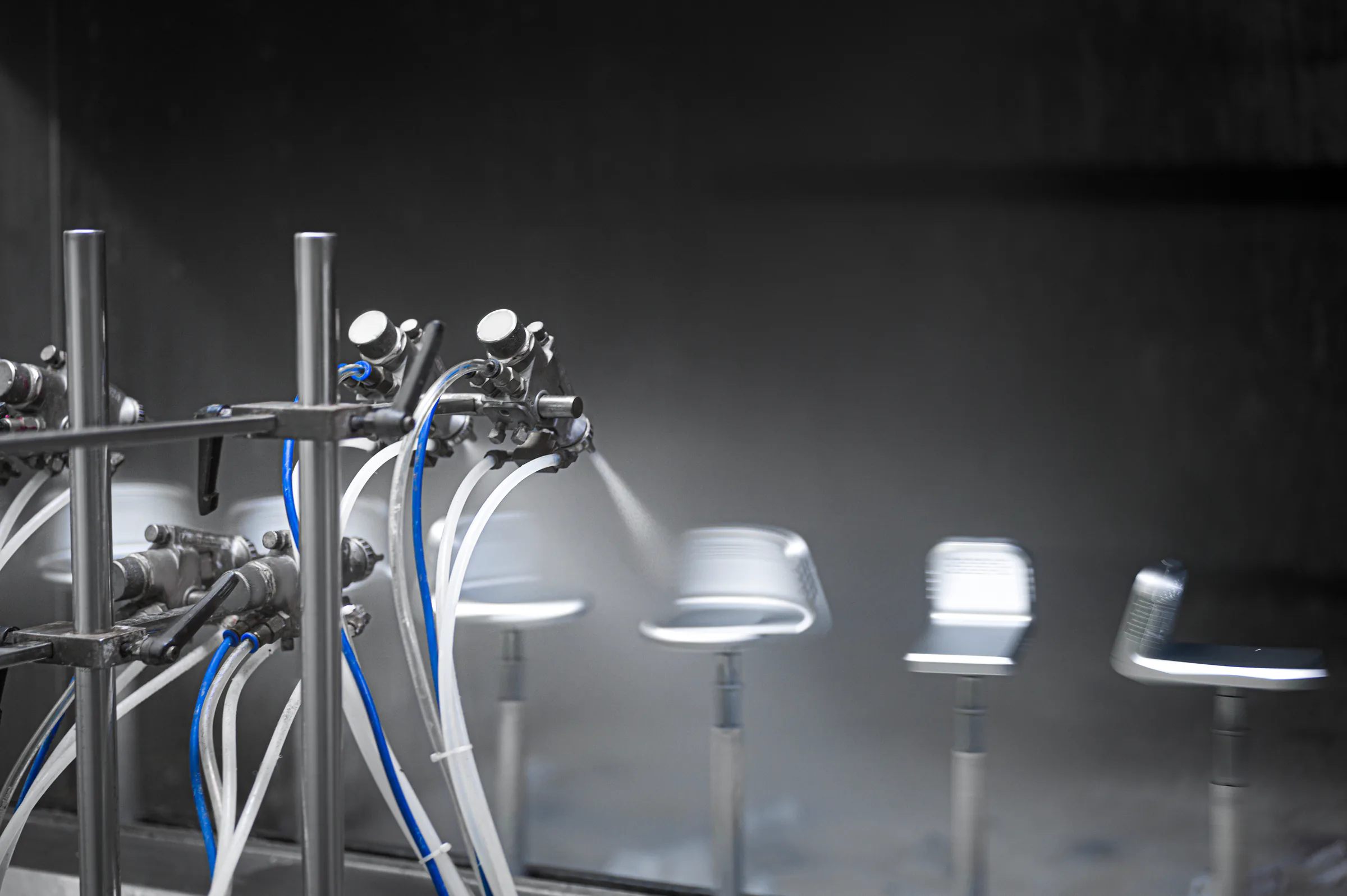
Thermal · ingress · appearance
Thermal path, enclosure, mounting, ingress, appearance and coating interfaces for the intended environment.
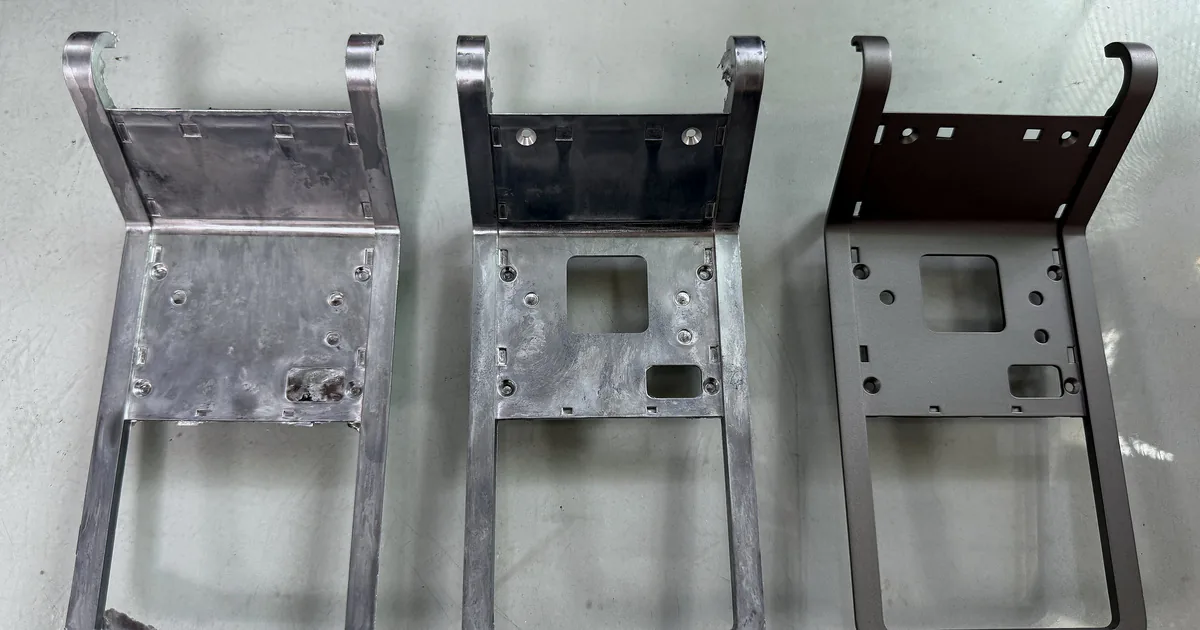
Cosmetics · assembly · cleaning
Appearance, touch surfaces, assembly, corrosion, cleaning, cost and production-volume requirements.
Records · traceability · qualification
Cleanability, materials, surface, documentation, traceability and qualification expectations must be defined.
RFQ context
Clear answers help distinguish a generic inquiry from a project that can be reviewed against its actual performance and evidence needs.
What failure mode matters most in the application?
Which dimensions, interfaces or surfaces are critical?
What material, process or test evidence is required?
Which validation, traceability or approval steps govern launch?
How do target volume and timing affect the route?
What cleaning, corrosion, cosmetic or packaging constraints apply?
Evidence boundary
When a project requires certification, approval, special-process controls, or customer-specific documentation, ask for evidence relevant to the manufacturing location and quoted scope.
Start with the drawing
Share the operating context, critical requirements, evidence needs, target volume, and timing. We will identify the next technical questions before a route is proposed.